
Burger King Nutrition Facts 2026
There’s almost no one who’s ordered a Whopper meal and then wondered, halfway through the fries, what that combo actually did to their day nutritionally. I’ve had that exact thought more times than I’d like to admit, usually after the fact instead of before ordering. Burger King nutrition facts aren’t hidden information, but they’re not exactly front and center on the menu board either, which means most people are ordering based on guesswork rather than actual numbers.
So this guide breaks down Burger King nutrition facts across the whole menu: calories, protein, sodium, and fat for the burgers, chicken, breakfast, and sides, along with what the numbers actually mean if you’re trying to eat a little smarter without giving up the drive-thru entirely.
Why Burger King Nutrition Facts Matter
Fast food isn’t going anywhere, and there’s nothing wrong with enjoying it regularly. But knowing the actual Burger King nutrition facts behind a meal makes it a lot easier to balance the rest of your day, especially if you’re watching sodium, tracking protein for training, or just trying to make more intentional choices without cutting out the foods you actually enjoy. Burger King publishes full nutrition data for its menu, and once you know where the big numbers hide, ordering smart becomes second nature instead of a guessing game.
Burger King Menu Nutrition: The Whopper Family
The Whopper lineup is the most requested part of Burger King Menu nutrition, and the numbers shift more than people expect once cheese, bacon, or a second patty gets added.
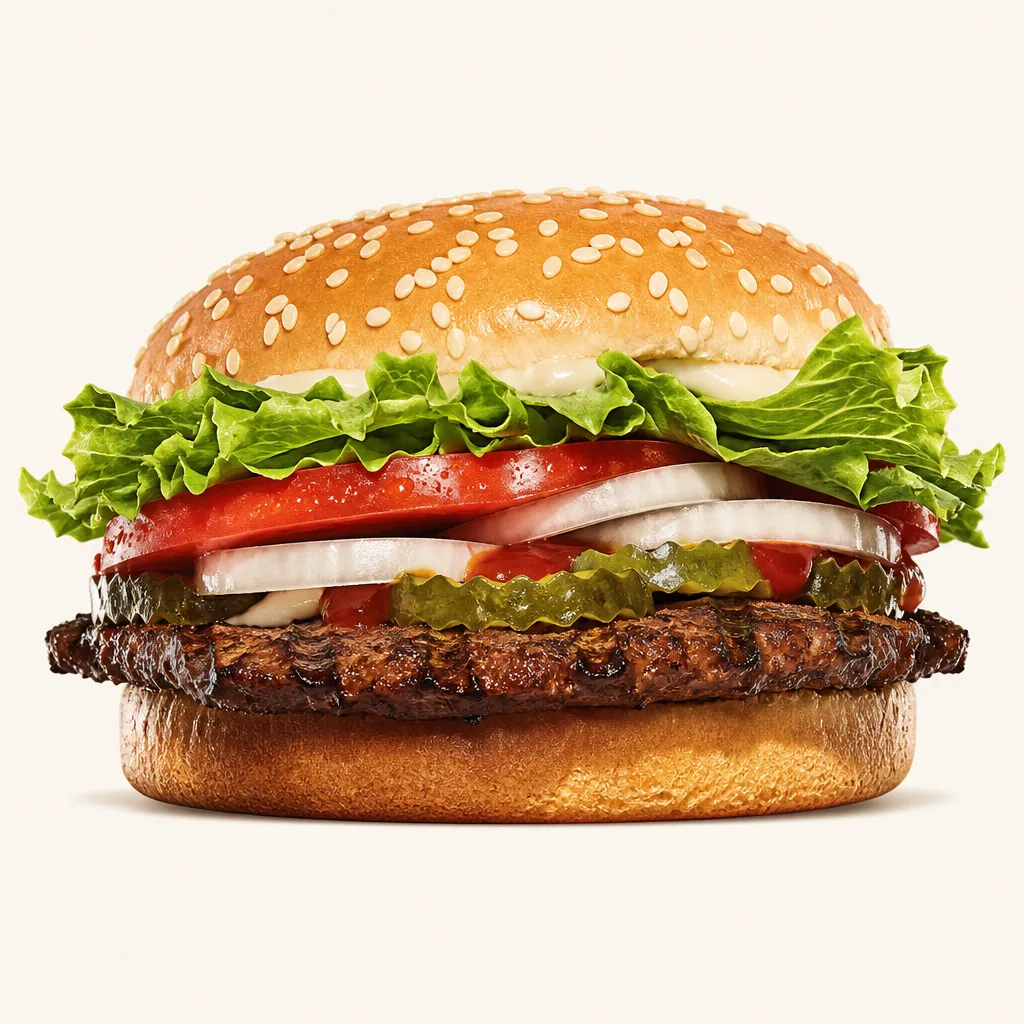
Whopper
Whopper with Cheese
Whopper with Bacon
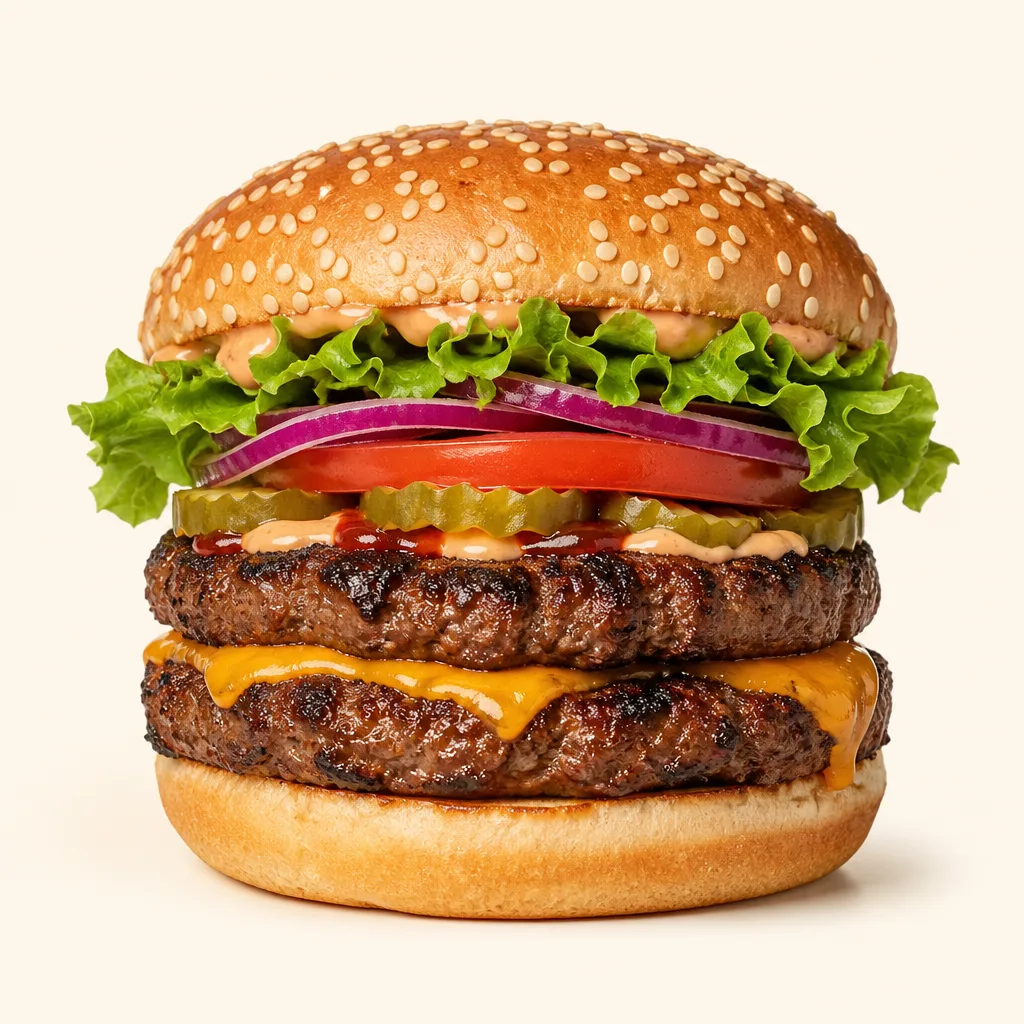
Double Whopper
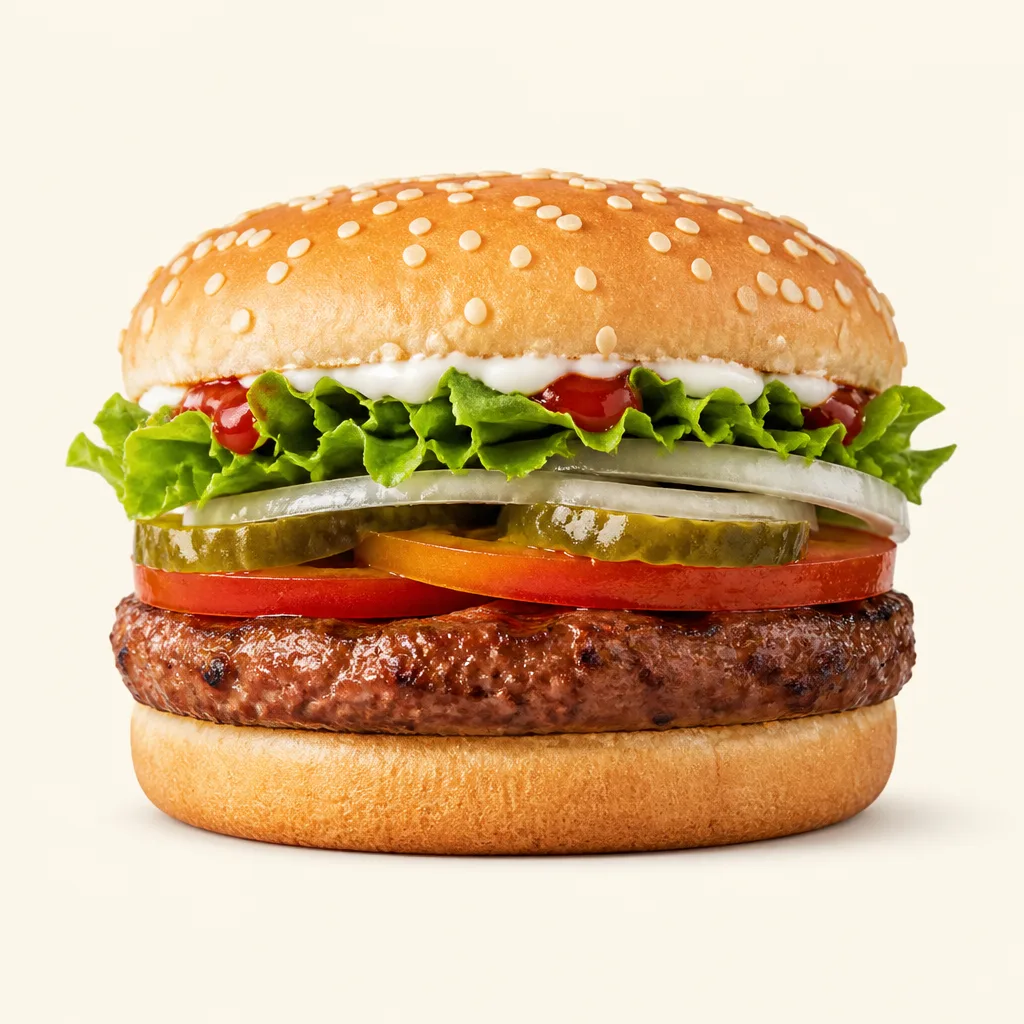
Impossible Whopper
| Item | Calories | Protein | Sodium | Fat |
|---|---|---|---|---|
| Whopper | 670 | 31g | 1,170mg | 39g |
| Whopper with Cheese | 770 | 36g | 1,610mg | 49g |
| Whopper with Bacon | 750 | 37g | 1,430mg | 47g |
| Double Whopper | 920 | 52g | 1,240mg | 58g |
| Impossible Whopper | 630 | 28g | 1,080mg | 34g |
A plain Whopper carries a solid 31 grams of protein for its calorie count, which is part of why it holds up reasonably well compared to some of the chicken options on the menu. The bigger jump to watch is sodium, since adding cheese pushes a single sandwich to 1,610mg, which is more than two-thirds of a full day’s recommended intake in one item alone.
Burger King Nutrition Facts: Chicken Menu
Chicken items carry a different nutrition profile than the beef lineup, generally trading some fat for extra sodium and carbohydrates from the breading.
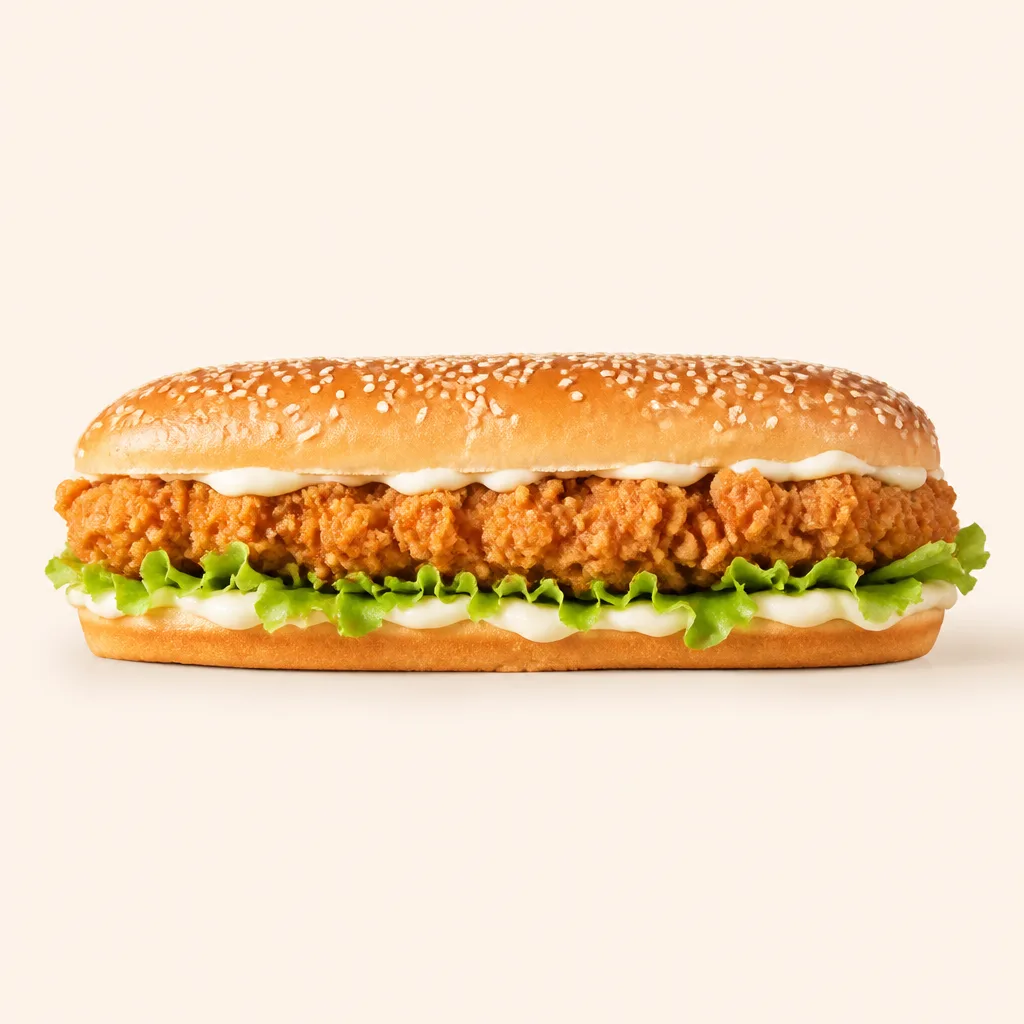
Original Chicken Sandwich
Grilled Chicken Sandwich

Chicken Nuggets (8 pc)

Chicken Fries (9 pc)
| Item | Calories | Protein | Sodium | Fat |
|---|---|---|---|---|
| Original Chicken Sandwich | 660 | 27g | 1,410mg | 33g |
| Grilled Chicken Sandwich | 510 | 37g | 1,180mg | 19g |
| Chicken Nuggets (8 pc) | 390 | 15g | 780mg | 24g |
| Chicken Fries (9 pc) | 280 | 12g | 750mg | 16g |
The grilled chicken sandwich stands out as one of the better protein-to-calorie ratios on the entire menu, delivering 37 grams of protein for just 510 calories. That makes it one of the smarter picks if protein intake matters more to you than a crispy breaded texture.
Burger King Breakfast Nutrition Facts
Breakfast carries some of the widest swings in Burger King nutrition facts across the whole menu, since a basic Croissan’wich and the Fully Loaded version aren’t remotely close in their numbers.

Egg & Cheese Croissan’wich

Sausage, Egg & Cheese Croissan’wich
Fully Loaded Croissan’wich

Egg-Normous Burrito
| Item | Calories | Protein | Sodium | Fat |
|---|---|---|---|---|
| Egg & Cheese Croissan’wich | 300 | 13g | 680mg | 18g |
| Sausage, Egg & Cheese Croissan’wich | 470 | 19g | 970mg | 32g |
| Fully Loaded Croissan’wich | 620 | 27g | 1,340mg | 42g |
| Egg-Normous Burrito | 720 | 27g | 1,580mg | 44g |
The Fully Loaded Croissan’wich and Egg-Normous Burrito both cross into sodium territory that rivals or beats a full Whopper, which surprises a lot of people who assume breakfast items are automatically the lighter choice.
Burger King Sides and Snacks Nutrition
Sides don’t get nearly as much attention in most Burger King nutrition facts discussions, but they add up fast, especially in combos.

French Fries (medium)

Onion Rings (medium)

Mozzarella Fries (8 pc)

Cheesy Tots (small)
| Item | Calories | Protein | Sodium | Fat |
|---|---|---|---|---|
| French Fries (medium) | 380 | 4g | 500mg | 18g |
| Onion Rings (medium) | 320 | 4g | 460mg | 15g |
| Mozzarella Fries (8 pc) | 510 | 19g | 1,290mg | 27g |
| Cheesy Tots (small) | 240 | 4g | 470mg | 14g |
Mozzarella Fries in particular carry more sodium than most people expect from a side item, coming in above 1,200mg per order, which is worth factoring in if you’re already ordering a saltier main.
Burger King Nutrition Facts for Common Dietary Needs
Higher Protein, Lower Calorie: The grilled chicken sandwich and a plain Whopper both offer strong protein numbers without pushing into the highest calorie tier on the menu.
Lower Sodium: Plain burger patties without cheese, a garden salad with dressing on the side, and hash browns tend to run lower in sodium than the breaded chicken or loaded breakfast items.
Lower Fat: Grilled chicken items consistently carry less fat than their crispy or fried counterparts, since the breading and frying process adds a significant amount of fat on top of the protein itself.
Burger King’s official nutrition page breaks down every item by these same categories in more precise detail, which is the best resource if you’re managing a specific medical or dietary requirement rather than general awareness.
My Honest Take on Burger King Nutrition Facts
I used to assume the chicken sandwiches were automatically the “safe” choice compared to a burger, and looking at the actual Burger King nutrition facts corrected that pretty quickly. The Original Chicken Sandwich carries more sodium than a plain Whopper, which caught me off guard the first time I actually compared the two side by side. What’s changed for me isn’t avoiding anything specific, it’s just being more deliberate about which version of an item I order, especially around sodium, since that number moves around more than calories do across the menu.
Final Thoughts
Burger King nutrition facts vary more across the menu than a quick glance at the calorie count alone would suggest. Protein, sodium, and fat all shift significantly depending on toppings, breading, and portion size, and some of the biggest surprises show up in items people assume are the lighter choice, like breakfast sandwiches and grilled chicken. Checking the specific numbers for what you’re actually ordering, rather than assuming based on the name, is the most useful habit if Burger King nutrition facts matter to your day-to-day choices.