
Burger King Hot Dogs: Menu, Price & Are They Still Around?
A coworker once bet me that Burger King had never sold hot dogs, convinced I was thinking of Sonic or Wienerschnitzel by mistake. I had to pull up the actual 2016 announcement to prove him wrong, and even then he seemed a little suspicious of a burger chain selling something so far outside its usual lane. Burger King hot dogs are real, they were a genuinely bigger deal at launch than most people remember, and the story of how they got onto the menu is more interesting than you’d expect from a fast food side item.
So this guide covers the full story of Burger King hot dogs: when they launched, what’s actually in them, current pricing and availability, and how they stack up against Sonic and other chains that specialize in the category.
What’s in a Burger King Hot Dog?
Burger King’s hot dogs were built around the same flame-grilling process the chain uses for its burgers, marketed at launch as "Grilled Dogs" rather than standard boiled or steamed hot dogs. They’re made with 100% beef and came in two original varieties.

Classic Hot Dog
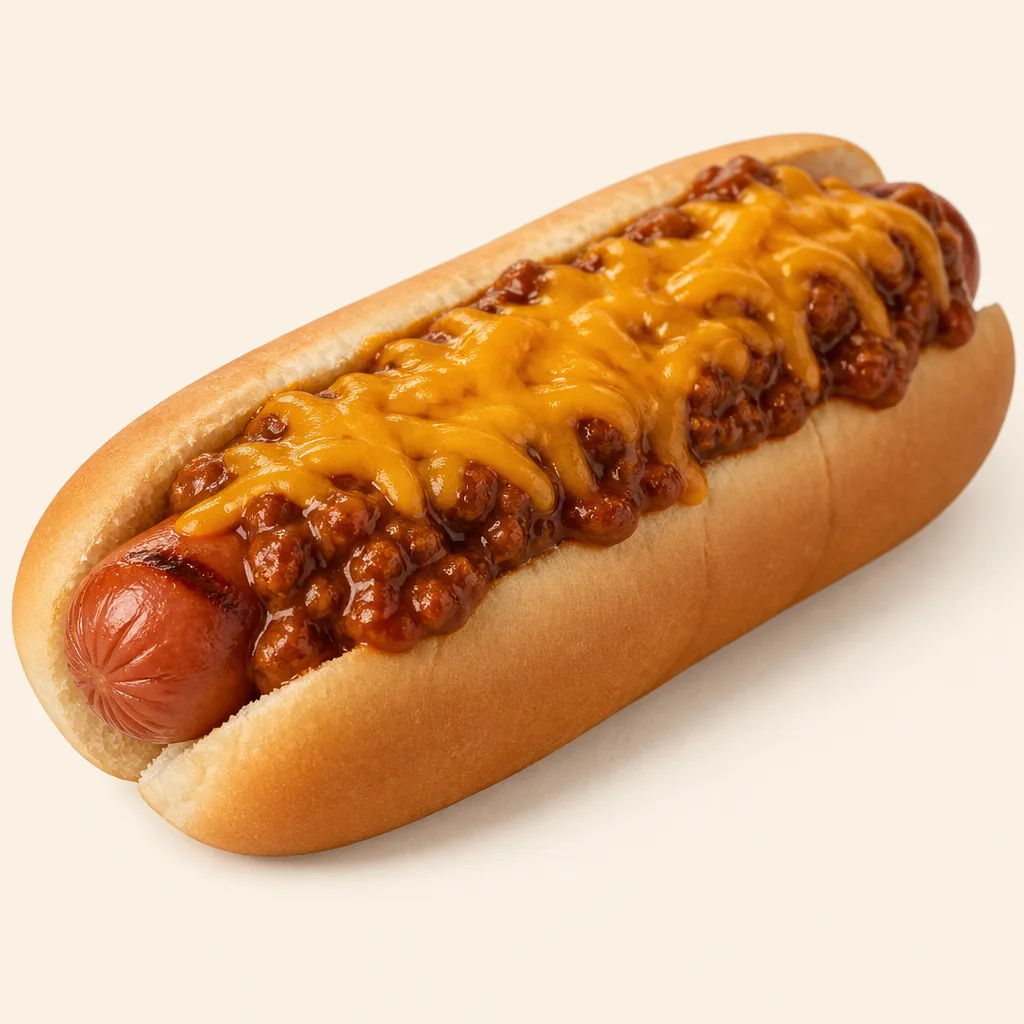
Chili Cheese Dog
- Classic Hot Dog – topped with ketchup, mustard, chopped onions, and relish.
- Chili Cheese Dog – the same beef hot dog topped with chili and cheese for a heartier build.
Burger King also tested several variations that never made it to the permanent national menu, including a "Rodeo" hot dog topped with onion rings, cheese, and barbecue sauce, an "A1 Ultimate" version with bacon, cheese, and A1 sauce, and a corn dog option, none of which survived past the testing phase.
Burger King Hot Dogs Price
At launch, pricing was set low to encourage trial of the new category.
Classic Hot Dog
Chili Cheese Dog
| Item | Original Price |
|---|---|
| Classic Hot Dog | $1.99 |
| Chili Cheese Dog | $2.29 |
Current pricing has shifted upward with general menu inflation over the years, and given that hot dogs aren’t a core standing item at every location today, exact current pricing varies significantly by market and whether your local restaurant carries the item at all.
Are Burger King Hot Dogs Still Available?
This is the part that trips people up. Burger King hot dogs aren’t a guaranteed menu item at every location today the way they were during the initial 2016 national rollout. Availability has narrowed since launch, with hot dogs showing up more consistently in select markets and during specific promotional periods rather than as a fixed item on every menu board nationwide. There’s no current, verified public list of exactly which cities or restaurants still carry them, since individual franchise operators make their own call on regional and limited items.
The most reliable way to check is to go straight to the source: visit bk.com/store-locator, enter your zip code, and look at the specific menu for your nearest location, or check the BK app the same way. That’ll show you exactly what’s currently available near you rather than relying on outdated or region-specific reports.
Why Did Burger King Add Hot Dogs in the First Place?
The move came during a period of intensifying competition in the fast food industry, with Burger King looking for ways to differentiate itself beyond the usual burger-versus-burger comparisons with McDonald’s and Wendy’s. Leaning into flame-grilling, the one process the chain already had built into its entire operation, made hot dogs a lower-lift addition than it might seem at first glance, since the equipment and cooking method were already in place for the burger side of the menu. Reports at the time also noted an "overwhelming response" to the launch from franchise operators, suggesting the initial rollout performed well even without a major advertising push behind it.
Burger King Hot Dogs vs. Sonic
Sonic has long been considered the fast food category leader for hot dogs, with a menu built around multiple hot dog varieties as a core part of its identity rather than a side addition. Burger King’s version leans on the flame-grilled angle as its main point of differentiation, giving it a smokier flavor profile compared to Sonic’s more traditional preparation. Where Sonic wins clearly is variety and consistency, since hot dogs have remained a permanent, reliably available part of Sonic’s menu in a way Burger King’s version hasn’t sustained nationwide.
Burger King Hot Dogs vs. Other Chains
Wienerschnitzel remains the most hot dog-focused major chain in the country, built entirely around the category rather than treating it as a side item the way Burger King and even Sonic do. McDonald’s tested its own McHotDog in the past, which failed to gain traction in the U.S. and was eventually relegated to select international markets, including Japan. Compared to that history, Burger King’s hot dog launch was considerably more successful, even if it hasn’t maintained the same nationwide consistency it had in its first year.
My Honest Take on Burger King’s Hot Dogs
What surprised me most researching this is how big a deal the original launch actually was, a genuine "biggest menu change in decades" moment according to Burger King’s own leadership at the time, not just a quiet side addition. That makes the current inconsistent availability a little disappointing in hindsight, since it went from a headline-making, all-locations rollout to something you now have to actively check for before making a trip. If your local Burger King still carries them, they’re worth trying at least once for the flame-grilled angle alone, since it genuinely does set them apart from a standard steamed or boiled hot dog.
Final Thoughts
Burger King hot dogs launched in 2016 as one of the biggest menu changes in the chain’s history, built around the same flame-grilling process used for its burgers and offered in classic and chili cheese varieties. Availability has narrowed since that initial nationwide rollout, so checking your local restaurant or the app before making a special trip is the safest move if you’re specifically chasing one down. Compared to category leaders like Sonic and Wienerschnitzel, Burger King’s version is more of a novelty than a core menu pillar, but the flame-grilled flavor still makes it worth trying if your location has it.